
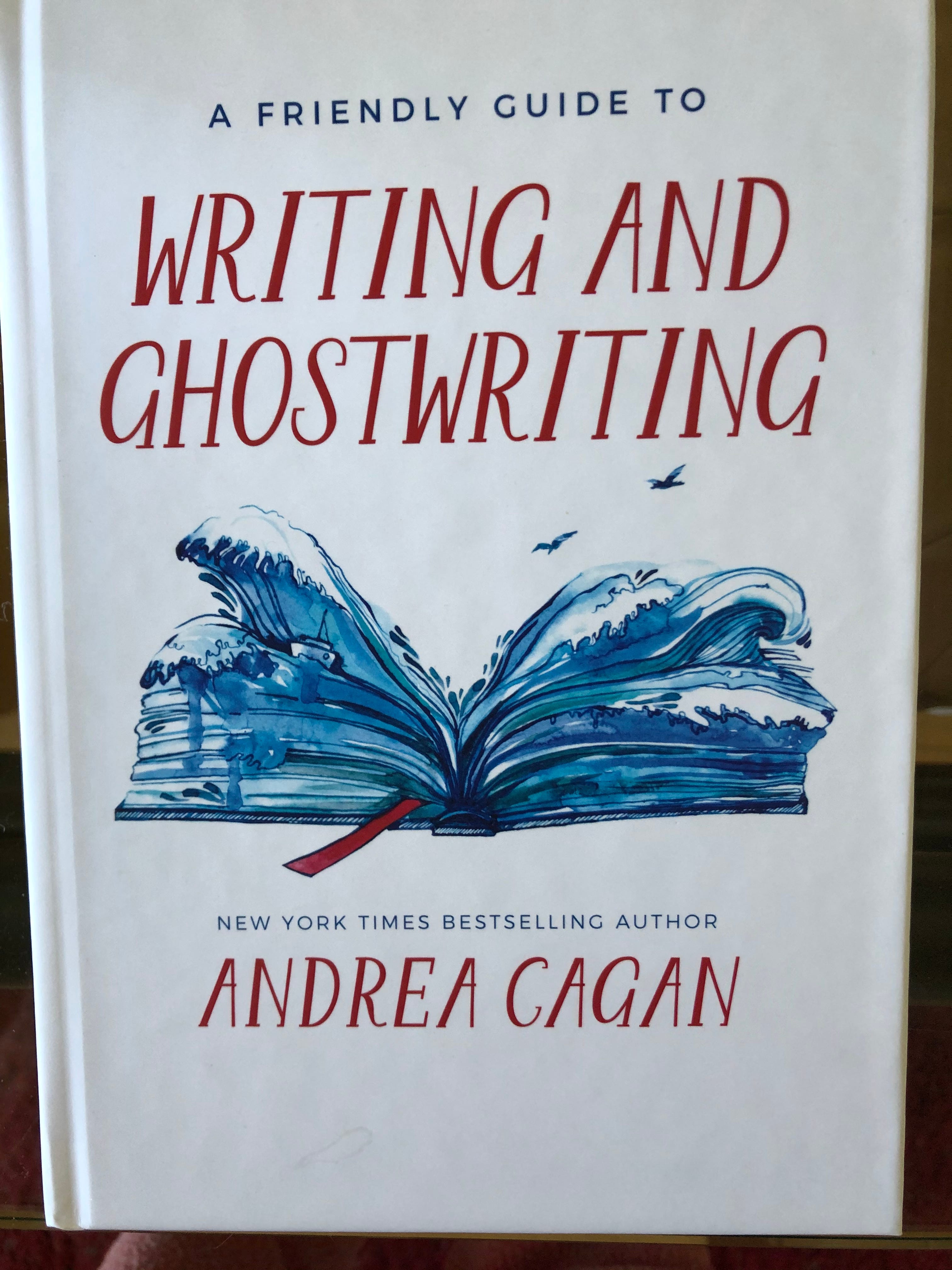
More on Choosing a Title: Excerpt From My Book: A Friendly Guide to Writing and Ghistwriting

It takes many months and in some cases, years, to complete a manuscript to your satisfaction. Why would you tack on a random title as an afterthought? When a publisher picks up your manuscript from the ever-growing pile on her desk, if your title is appealing, she’ll have a positive attitude when she starts to read it. I’m not saying that a good title will cause a publisher to buy your book, but a bad one might prevent it.
After you sell your book, it isn’t always bad news when a publisher rejects your title and comes up with a different one. When you get a book deal, the truth is that the publisher owns the rights to your book and they can name it whatever they like. Of course they want you to like it, the publisher wants you to be happy so you’ll feel comfortable promoting the book, but I suggest you don’t ignore or take offense at a suggestion, just because it isn’t yours. Publishers are well versed in what will sell and what won’t, so it’s worth paying attention to their point of view. Allow the newly suggested title some time to sink in and you may find that it’s pretty damned good. If you don’t, you can let the publisher know and you can keep on looking.
Here is a list of working titles of bestselling books that the publisher changed before the first printing. They’re fiction and we’re mostly talking about non-fiction here, but they demonstrate my argument.
• Trimalchio in West Egg became The Great Gatsby.
• Strangers From Within became Lord of the Flies.
• The Dead Un-Dead became Dracula.
• All’s Well That Ends Well became War and Peace.
• Fiesta became The Sun Also Rises.
• Second Hand Lives became The Fountainhead
And my personal favorite:
• The Jewboy, Whacking Off, and A Jewish Parent Begins His Analysis became Portnoy’s Complaint.
If the authors of the above books had refused to accept the title changes, there’s no telling how their books would have fared.
Since a title is the first thing that a reader sees, here are some tips on choosing one:
Things to do:
1. Make a list of possible titles.
2. Read them out loud and listen to how they sound.
3. Run them by someone you trust.
4. Make sure your title is connected to your topic or story.
5. Be flexible. Be willing to change the title if you find something better or if someone else does.
6. Deliver what you promise.
7. Look at the title in print and see if it fits as snugly as you think it does.
8. Keep a possible title in mind, a working title, while you’re writing the book. That will help you stay on track and choose the right one when you’re finished.
Things to avoid:
1. Words that are difficult to pronounce
2. More words than a reader can take in at a glance and remember
3. Confusing phrases
4. Ideas that have nothing to do with your topic or theme
5. Clichés
6. Smart ass expressions
7. Choosing a title that someone else has used in the recent past
8. Giving away the ending in the title
While I’m writing a book, I choose what is called “a working title,” something that will give the manuscript a sense of substance and keep me on track. It makes my writing feel alive and present and uniquely different from anything else, but I try not to get attached. I may end up keeping that title but more often than not, I don’t.
When you look up a book on Amazon, there is a directive to “Look Inside.”
Here are some examples of winning non-fiction titles that drew people in and made them check out the first chapter.
UNBROKEN
WALDEN
IN COLD BLOOD
INTO THIN AIR
EAT, PRAY, LOVE
THINK AND GROW RICH
THE ROAD LESS TRAVELED
After you choose your title, you need to evaluate whether or not your book needs a sub-title – a word, phrase, or sentence that offers a further explanation of the original idea. All books don’t need sub-titles, but they’re helpful when your topic needs a hook.
Here is a good non-fiction example:
HOW TO WIN FRIENDS AND INFLUENCE PEOPLE:
The Only Book You Need to Lead You to Success
The above title and sub-title leave nothing to the imagination. They are clear and indisputably connected to each other and to the material in the book. There is no possibility of misinterpreting what the author is offering.
Here are some tips for choosing a good sub-title:
1. It should embellish the title, not detract from it.
2. Don’t use words from the title.
3. Target the audience that will most likely be reading the book.
(Have you stopped to figure that out?)
4. Make the words or phrases easy to remember.
5. Don’t use it for advertising. Readers don’t like to be manipulated.
It makes them angry.
6. Make it catchy.
A common pitfall is making a sub-title sound too ambitious, like: How to Singlehandedly Change the World, or How You Can Heal from a Terminal Illness in Two Weeks. When a subtitle is grandiose, offering solutions to universal mysteries like why we are here and how we can choose the day we die, no one has those answers. The author certainly doesn’t have them.
My best suggestion is to trust your instincts. Use your imagination. Take a chance. You created the story and the topic so you are fully capable of creating the right title. When you have a publisher, you have until the final printing to try out different titles. If you’re self-publishing, on the other hand, it’s never set in stone. For a fee, you can change your title or sub-title at any time, especially if you’re doing print on demand (POD), which means they print the book and ship it out within twenty-four hours after they receive an order.
Did you know that you can’t copyright a title? They are not considered “intellectual property,” so they’re not covered under the copyright laws. I suggest you check on Amazon to see if someone has used your choice lately. If the title you want was used way in the past and the book wasn’t successful, it doesn’t matter. No one will remember. But if someone used it recently, especially if it was a successful book, find something else. You don’t want a reader to buy your book by mistake or buy another book that they thought was yours.
Remember that a title is a marketing tool that can help you draw in readers. When you’re clear about the essence of your book, it’ll be easy to determine what sounds right and what doesn’t. Just make sure you don’t lead anyone down a confusing path. If the title is short, easy to read and easy to say and remember, you’re inspiring your readers to recommend your book to their friends.